
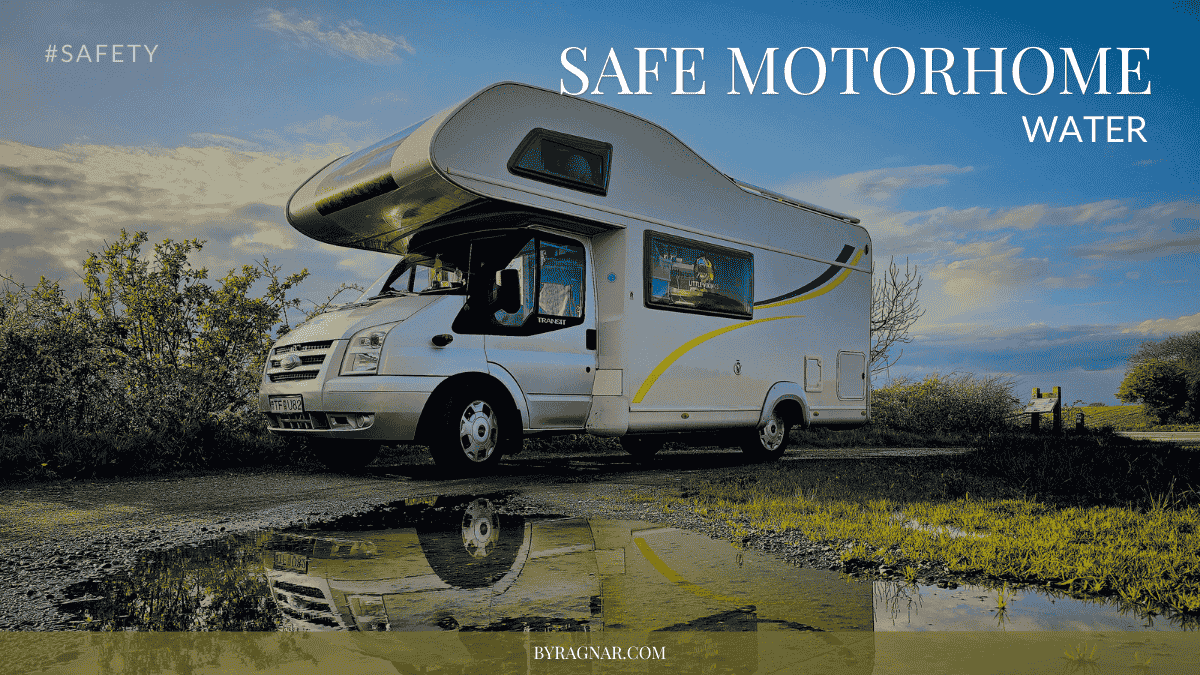
Water – Life, Comfort, and a Bit of Responsibility
There’s nothing quite like enjoying a hot shower or a cup of coffee in your own motorhome after a long day on the road.
But water in a motorhome is more than comfort – it’s also a matter of safety.
Dirty or frozen water systems can damage equipment, create bad smells, or even cause illness.
That’s why it’s worth understanding your system, maintaining it regularly, and treating it with care.
“Clean water and a calm mind – that’s the perfect journey.”
1. The Water System in a Nutshell
The motorhome water system is simple but plays many roles.
It usually consists of:
- Fresh water tank: stores drinking and household water.
- Pump: maintains pressure in the system.
- Pipes and fittings: distribute water throughout the vehicle.
- Outlets: sink, shower, toilet.
- Waste system: collects used water in a separate tank – often called the grey tank.
It’s not complicated – but it does need regular attention to avoid smells, bacteria, and frost damage.

2. Hygiene and Water Quality
Water is a living element – and when it sits still in a closed space, it can change.
That’s why cleaning is essential.
How to Clean Your Tank and Pipes:
- Add baking soda or a special RV water system cleaner to the fresh tank.
- Run the pump and taps for 10–15 minutes so the mixture circulates.
- Flush the system thoroughly with clean water.
- Repeat twice a year.
🚫 Avoid chlorine – it can damage seals and rubber parts.
Good Hygiene Habits When Refilling Water:
- Keep hoses and connectors clean – store them in a closed box.
- Don’t let the hose touch the ground when filling the tank.
- Only use water you’d drink yourself.
3. Frost Protection – Your Best Friend on Cold Days
If you’ve ever forgotten water in your motorhome during winter, you know frost is unforgiving.
It can crack pipes, pumps, and valves.
Two ways to protect your system:
1️⃣ Drain the system completely before winter storage:
- Open all valves and taps.
- Release pressure from the pump and let the water run out.
- Leave tanks open so they can dry thoroughly.
2️⃣ Use antifreeze made for drinking-water systems if you travel in cold weather:
- Make sure it’s non-toxic and suitable for potable systems.
- Follow the manufacturer’s instructions – strength varies by temperature.
4. Leaks, Odours and Small Troubles

- Smells: often come from the tank or pipes. Use baking soda or water-safe cleaner – never bleach.
- Leaks: check fittings and pumps regularly, especially after driving on rough roads.
- Pump issues: if the pump sounds strange or stops, there might be air in the system or debris in the filter.
- Grey tank smell: clean the tank with baking soda and hot water.
5. Extend the Life of Your Water System
- Use high-quality hoses and fittings – they’re less likely to contaminate water.
- Drain the pump after use, especially in winter.
- Clean filters in the tank and pump regularly.
- When travelling in freezing temperatures, keep heating on, use suitable antifreeze, or insulate pipes.
6. Summary
Water in your motorhome is like fresh air for your journey – it makes everything easier.
When you keep it clean, drain it properly for winter, and follow good hygiene habits, you’re not only protecting your equipment – you’re protecting yourself and your experience.
“When the water runs smoothly and smells fresh, you know everything’s flowing as it should.”

Read Next
🔹 Gas Safety in Motorhomes – Regular Checks That Save the Day
🔹 Electricity in Motorhomes – Safe Use Without the Fuss
🔹 Motorhome Safety Checklist – Printable Download
Frequently Asked Questions
How do I clean the water tank in my motorhome?
Mix baking soda or a dedicated RV water system cleaner into the tank.
Run the pump and taps for 10–15 minutes to circulate the cleaner, then flush thoroughly with clean water.
Repeat at least twice a year – in spring and after long periods of storage.
Avoid chlorine, as it can damage rubber seals and valves.
What kind of antifreeze can I use in a motorhome water system?
Only use antifreeze designed for drinking-water systems.
Always check the label – some products contain chemicals not suitable for potable water.
Use the recommended concentration for the expected temperature, and flush the system well before drinking from it again.
How do I prevent bad smells in the water system?
Smells usually come from bacteria or mould in the tank or pipes.
Clean regularly with baking soda, flush well, and keep the tank dry when not in use.
Store your filling hose in a clean box and avoid placing it on the ground while filling.
What should I do if the water pump isn’t working?
First, check that there’s water in the tank and that air hasn’t entered the system.
Open the taps and let the pump run to remove trapped air.
If it still doesn’t work, check the filter or fuse.
Sometimes the issue is as simple as a loose connection.
Can I leave water in the tank over winter?
Never, if your motorhome is stored in freezing conditions.
Water expands when frozen and can burst pipes, valves, or the pump.
Always drain the tanks completely and leave them open to dry.
If travelling in winter, use suitable antifreeze for the system.
How often should I clean the water system?
At least twice a year – before summer and after long breaks.
If the water smells or tastes odd, clean it immediately.
Regular cleaning extends the system’s life and prevents problems on the road.